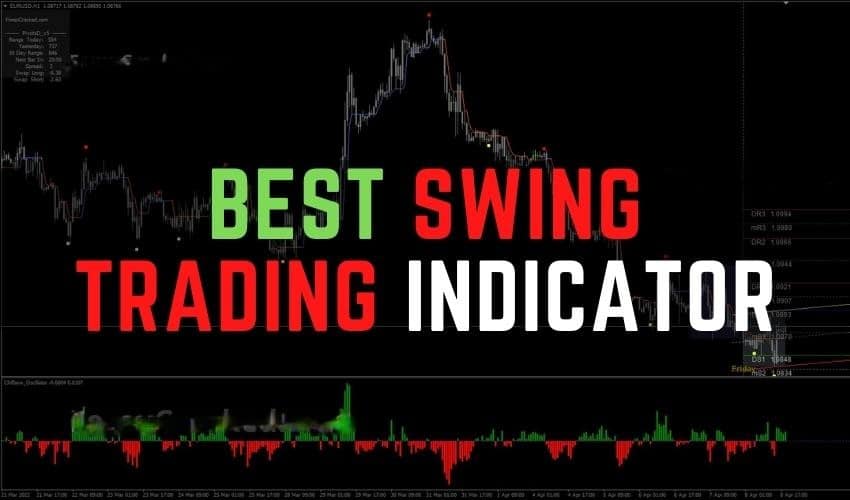

Trading is a financial activity focused on buying and selling assets with the goal of profiting from price movements. Unlike long-term investing, which emphasizes holding assets for extended periods, trading operates on shorter time frames and relies on market timing, analysis, and discipline. Understanding how trading works is essential before attempting to participate, as it involves higher risk and requires a structured approach.
Understanding Trading
Trading involves purchasing an asset at one price and selling it at a higher price, or selling first and buying later at a lower price. Traders aim to benefit from short-term price fluctuations rather than long-term growth. Commonly traded assets include stocks, currencies, commodities, indices, and derivatives.
The defining feature of trading is time horizon. Trades may last seconds, minutes, days, or weeks, depending on the strategy. Because price movements are influenced by market sentiment, news, and technical factors, traders focus heavily on analysis and execution.
Trading vs. Investing
While trading and investing both involve financial markets, they differ in purpose and approach. Investing focuses on long-term value, fundamentals, and compounding. Trading focuses on price action, momentum, and short-term opportunities.
Traders typically monitor markets frequently and make more transactions. This increases potential returns but also increases exposure to risk, transaction costs, and emotional pressure. Understanding this distinction helps individuals choose the approach that aligns with their goals and risk tolerance.
How Trading Works in Practice
Trading begins with selecting a market and an asset. A trader analyzes price charts, volume, and indicators to identify potential opportunities. Once a setup meets predefined criteria, a trade is executed through a trading platform.
Each trade includes entry, exit, and risk parameters. Entry defines when to enter the trade. Exit defines when to close the position for profit or loss. Risk parameters determine how much capital is exposed to potential loss. Successful trading relies on planning trades in advance rather than reacting impulsively.
Types of Trading Styles
Trading styles are often categorized by time frame. Day trading involves opening and closing positions within the same day. Swing trading holds positions for several days or weeks to capture short-term trends. Position trading spans longer periods but still focuses on price movements rather than fundamentals.
Each style requires different levels of time commitment, patience, and risk tolerance. Choosing a style that fits personal availability and temperament is critical.
The Role of Market Liquidity and Volatility
Liquidity refers to how easily an asset can be bought or sold without affecting its price. Highly liquid markets allow for faster execution and tighter pricing. Volatility refers to how much an asset’s price fluctuates over time.
Traders often seek volatility because price movement creates opportunity. However, high volatility also increases risk. Understanding the balance between liquidity and volatility helps traders select appropriate markets and manage execution risk.
Tools Used in Trading
Trading relies heavily on tools and platforms. Charting software displays price movements and indicators. Trading platforms allow order placement and position management. Risk management tools, such as stop-loss orders, limit potential losses.
Indicators such as moving averages, momentum oscillators, and volume metrics help traders analyze market behavior. These tools support decision-making but do not guarantee outcomes.
Risk in Trading
Risk is inherent in trading and cannot be eliminated. Price movements are uncertain, and losses are part of the process. Successful traders focus on controlling risk rather than avoiding it.
Risk management includes limiting position size, setting predefined exits, and maintaining discipline. Without risk control, even a few poor trades can significantly damage capital.
Psychology and Discipline
Trading psychology plays a major role in outcomes. Emotions such as fear, greed, and overconfidence can lead to impulsive decisions. Discipline involves following a trading plan consistently, regardless of recent wins or losses.
Understanding that losses are inevitable helps traders maintain objectivity. Consistency and emotional control often matter more than strategy selection.
Common Misconceptions About Trading
One common misconception is that trading is an easy way to make quick money. In reality, trading requires skill, experience, and discipline. Another misconception is that frequent trading guarantees profits. Excessive trading often increases costs and emotional stress.
Trading is a professional skill that takes time to develop, not a shortcut to wealth.
Conclusion
Trading is a structured activity focused on profiting from short-term price movements through analysis, execution, and discipline. It differs significantly from long-term investing and carries higher risk. By understanding how trading works, the tools involved, and the importance of risk management and psychology, individuals can approach trading with realistic expectations and a more informed mindset.