
Successful trading begins with choosing a style that matches your time availability, personality, and risk tolerance. Many beginners fail not because trading is impossible, but because they adopt a style that does not fit their lifestyle or expectations. Understanding the main trading styles helps set realistic goals and reduces avoidable mistakes.
Why Trading Style Matters
Trading style determines how often trades are placed, how long positions are held, and how much attention markets require. Each style involves different levels of risk, stress, and capital requirements. Selecting the wrong style can lead to burnout, emotional decisions, and inconsistent results.
A suitable trading style aligns with how much time you can dedicate to markets, how you react to losses, and how comfortable you are with uncertainty.
Day Trading Explained
Day trading involves opening and closing trades within the same trading day. Positions are not held overnight, which eliminates overnight risk from unexpected news or market gaps. Day traders focus on small price movements and aim to accumulate gains through multiple trades.
Day trading requires constant market monitoring, quick decision-making, and strict discipline. Traders rely heavily on technical analysis, short-term charts, and high liquidity assets.
Characteristics of day trading:
-
Trades last minutes to hours
-
High frequency of trades
-
Requires full attention during market hours
-
Sensitive to transaction costs and slippage
Day trading can be mentally demanding. Without discipline and risk control, losses can accumulate quickly. It is generally more suitable for experienced traders with the time and emotional control required.
Swing Trading Explained
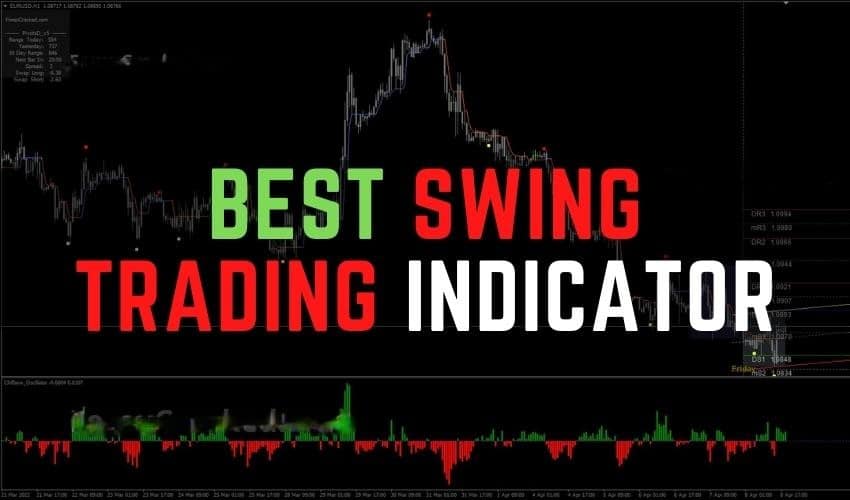
Swing trading focuses on capturing price movements over several days or weeks. Swing traders aim to profit from short- to medium-term trends rather than intraday fluctuations. This style balances opportunity and flexibility.
Swing trading requires less screen time than day trading. Traders analyze charts, identify setups, and manage positions without constant monitoring. Technical analysis remains important, but broader market context also plays a role.
Characteristics of swing trading:
-
Trades last several days to weeks
-
Moderate trade frequency
-
Lower time commitment than day trading
-
Exposure to overnight market risk
Swing trading is often considered suitable for individuals with full-time jobs, as it allows participation without constant market observation.
Position Trading Explained
Position trading involves holding trades for weeks, months, or longer. While still considered trading, it overlaps with investing in terms of time horizon. Position traders focus on major price trends and may use a combination of technical and fundamental analysis.
This style requires patience and the ability to tolerate larger price swings. Position traders are less concerned with short-term volatility and more focused on long-term market direction.
Characteristics of position trading:
-
Trades last weeks to months
-
Low trade frequency
-
Minimal daily monitoring
-
Larger exposure to market swings
Position trading suits individuals who prefer a long-term approach but still want to actively manage entries and exits.
Comparing Risk Across Trading Styles
Risk varies significantly across trading styles. Day trading involves frequent exposure to short-term volatility, increasing emotional pressure. Swing trading balances opportunity and risk by allowing more time for trades to develop. Position trading faces larger price swings but fewer decision points.
Risk management is essential regardless of style. Position size, stop-loss placement, and capital allocation should align with the chosen trading approach.
Capital and Cost Considerations
Trading costs increase with trade frequency. Day traders often face higher commissions and slippage. Swing and position traders typically incur lower costs due to fewer trades.
Capital requirements also differ. Some markets impose minimum capital thresholds for active trading. Understanding these requirements helps avoid operational constraints.
Choosing the Right Trading Style
The best trading style is the one you can follow consistently. Consider time availability, stress tolerance, capital size, and learning curve. There is no universally superior style.
Many traders experiment before settling on a preferred approach. However, frequent switching between styles without proper evaluation often leads to inconsistent results.
Common Mistakes When Choosing a Trading Style
Common mistakes include choosing day trading for its perceived excitement, underestimating time commitment, and ignoring emotional capacity. Another mistake is copying strategies without understanding their demands.
Clarity and realism improve long-term outcomes.
Conclusion
Day trading, swing trading, and position trading each offer different paths to market participation. Understanding their characteristics, risks, and time requirements helps traders choose an approach aligned with their lifestyle and goals. Success in trading depends less on the style chosen and more on discipline, risk management, and consistency within that style.